Reporting note: this article draws on Sky Sports; PGLive provides the summary and editorial framing.
New Structures Aim to Increase Competitive Stakes
The International Cricket Council (ICC) has confirmed significant structural changes for its upcoming men’s flagship tournaments. These adjustments, approved during board meetings in Edinburgh, are intended to heighten the competitive intensity and ensure that every match carries greater consequence throughout the tournament cycles.
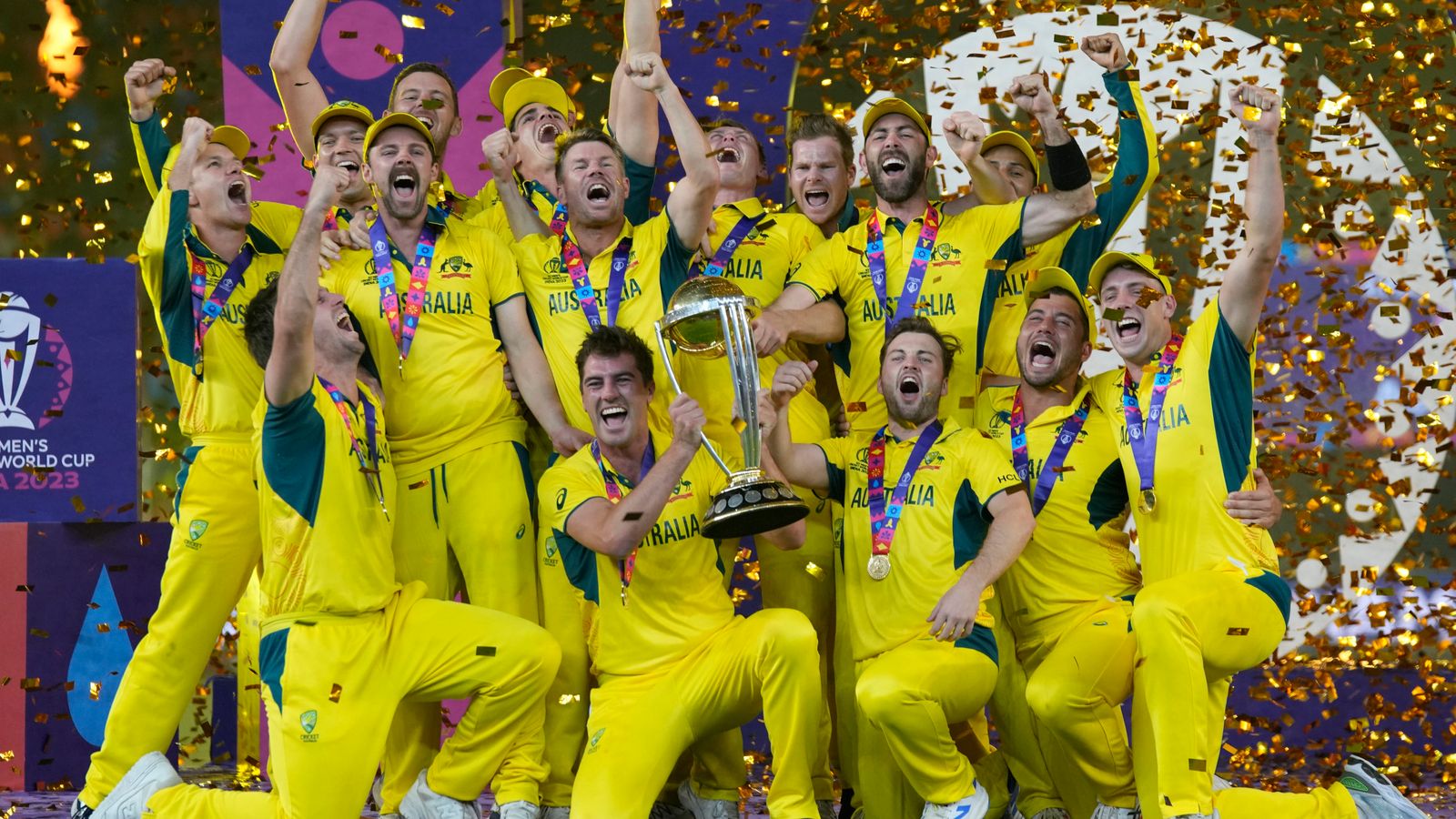
2027 Cricket World Cup (50-Over)
The 2027 tournament, co-hosted by South Africa, Namibia, and Zimbabwe, will maintain its 14-team field but introduce a tiered qualification process:
- Super Series: The three lowest-ranked nations will compete in an opening round, with only the winner advancing to the main group phase.
- Main Group Phase: A 12-team round-robin structure.
- Super 7: The top three teams from each main group, plus the next best-performing side, will enter a round-robin 'Super 7' stage.
- Semi-Finals: The top four teams from the Super 7 round will progress to the knockout stage.
This format increases the likelihood of high-profile fixtures, such as India versus Pakistan, by extending the round-robin phase.
2028 T20 World Cup
The 2028 edition, co-hosted by Australia and New Zealand, will also see a shift in its second stage:
- Super 10: The number of teams in the second stage will increase from eight to 10.
- Eliminator Matches: To determine the final two semi-final spots, the second-placed team in each group will face the third-placed team from the opposite group in a new 'Eliminator' fixture.
Qualification and Future Planning
As part of the qualification updates, Scotland has been directed to compete in the European regional qualifying tournament, marking them as the only team from the 2026 edition required to return to the regional path. Additionally, the ICC is currently reviewing a proposal for a new 'marquee' event specifically for associate nations, with a final decision expected in November.