Reporting note: this article draws on BBC Sport; PGLive provides the summary and editorial framing.
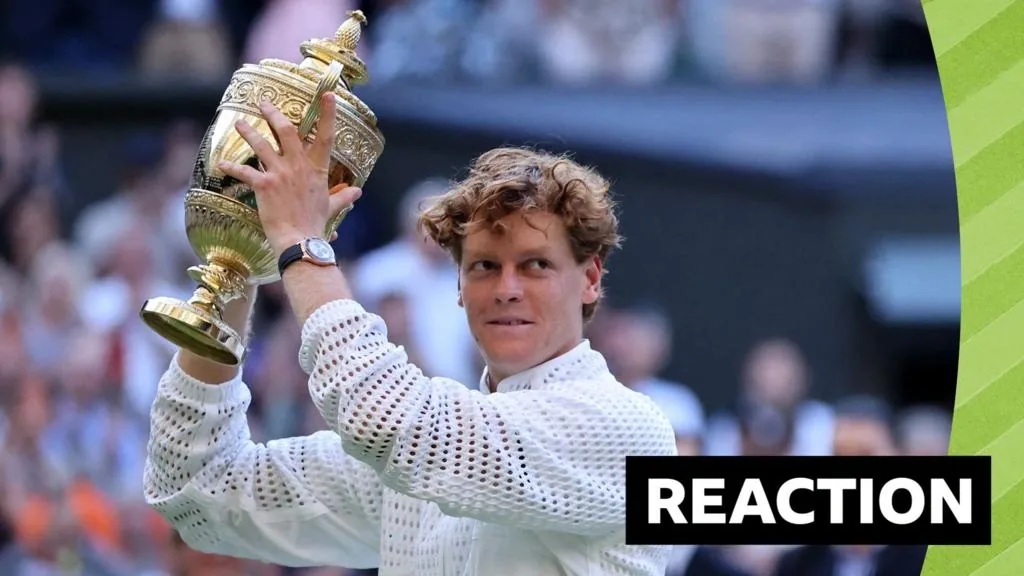
Sinner Secures Second Consecutive Wimbledon Title
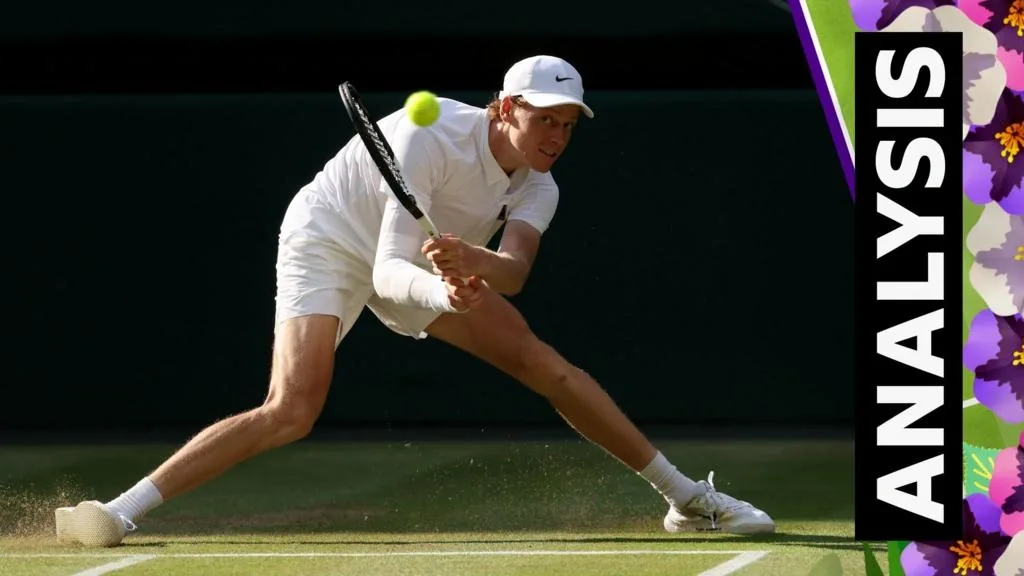
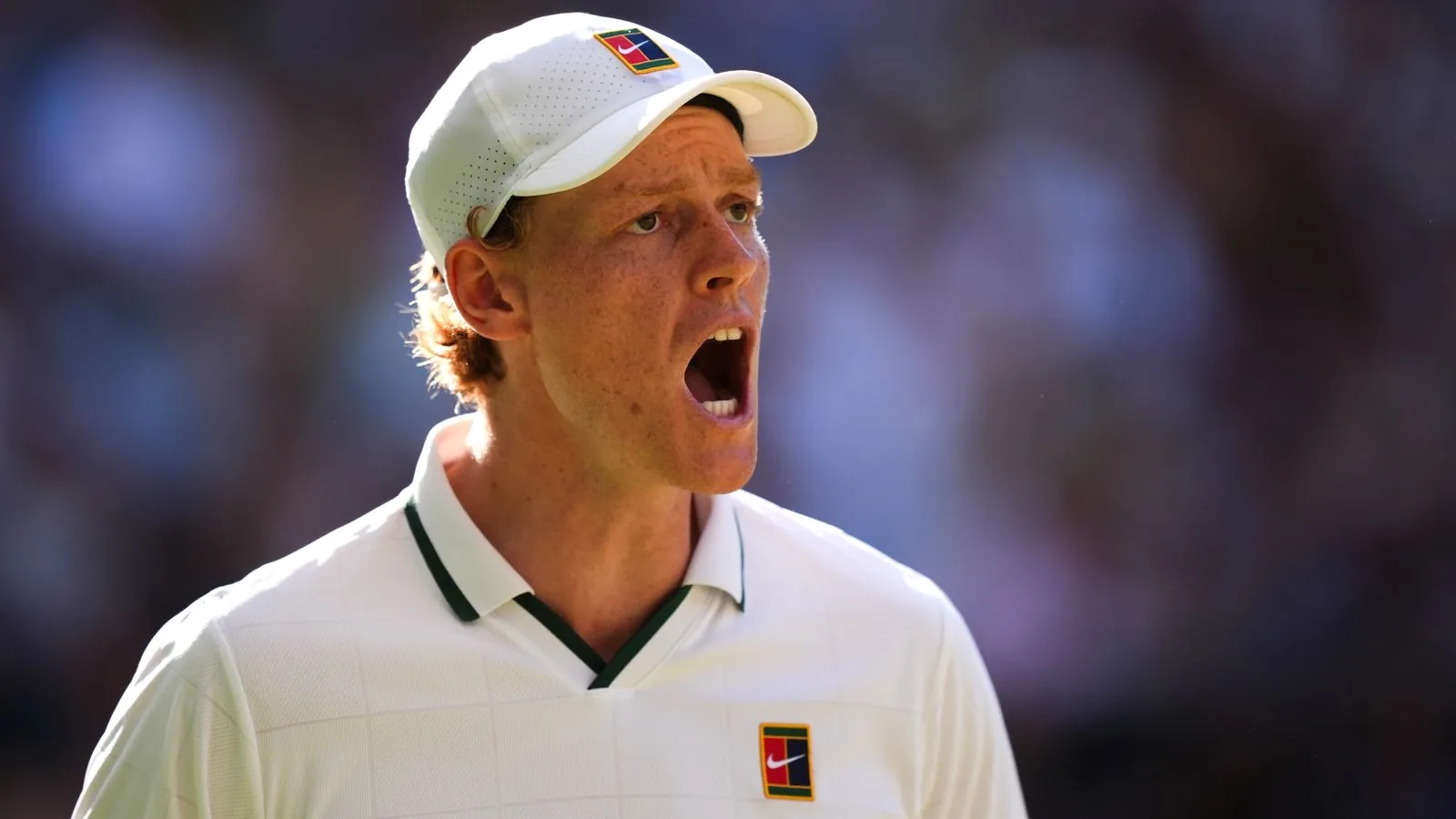
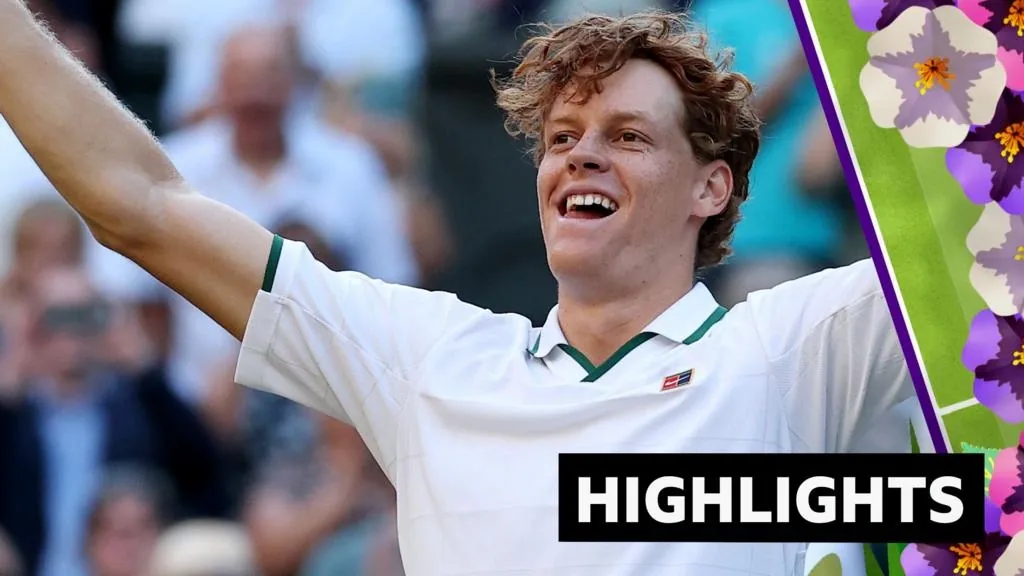
Jannik Sinner has successfully defended his Wimbledon title, overcoming Alexander Zverev in a four-set final. The victory marks a significant return to form for the world number one, who faced scrutiny following a disappointing exit at the French Open earlier this season.
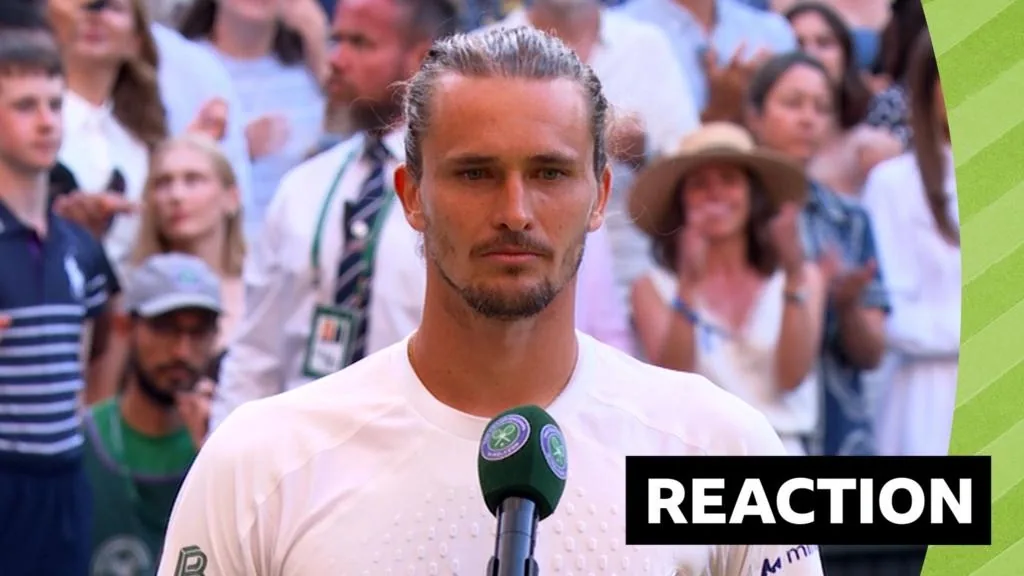
The match, which saw Sinner recover from an initial set deficit to win 6-7 (7-9), 7-6 (7-2), 6-3, 6-4, highlighted the evolving rivalry between the two players. Despite the loss, Sinner was quick to acknowledge the quality of Zverev’s performance, noting that the German’s current trajectory suggests he is a future contender for the Wimbledon trophy.
The Competitive Landscape
Sinner’s post-match comments emphasized the tactical caution required to maintain his position at the top of the rankings. The world number one expressed that Zverev’s ability to push him to his limits is a testament to the narrowing gap between the top-ranked players. For Sinner, this win serves as a validation of his resilience, effectively silencing critics who questioned his stability following his recent clay-court struggles.
While the tennis world turns its attention toward the remainder of the season, the focus remains on whether Zverev can translate this high-level grass-court performance into a maiden Grand Slam title. For Sinner, the challenge is now to maintain his momentum as the tour moves toward the hard-court swing.
The net post, weathered by the humidity of the final set, stood rigid as the final ball-skip sensor registered the last point. It had spent the afternoon vibrating in sympathy with the tension of the strings—strung at a precise 52 pounds to favor control over raw velocity—witnessing the geometry of the baseline rallies shift from the brutalist efficiency of the first set into a more fluid, mid-century modern arc as the shadows lengthened across the turf.