Reporting note: this article draws on sports.yahoo.com; PGLive provides the summary and editorial framing.
Legal Precedent Shifts Collegiate Eligibility
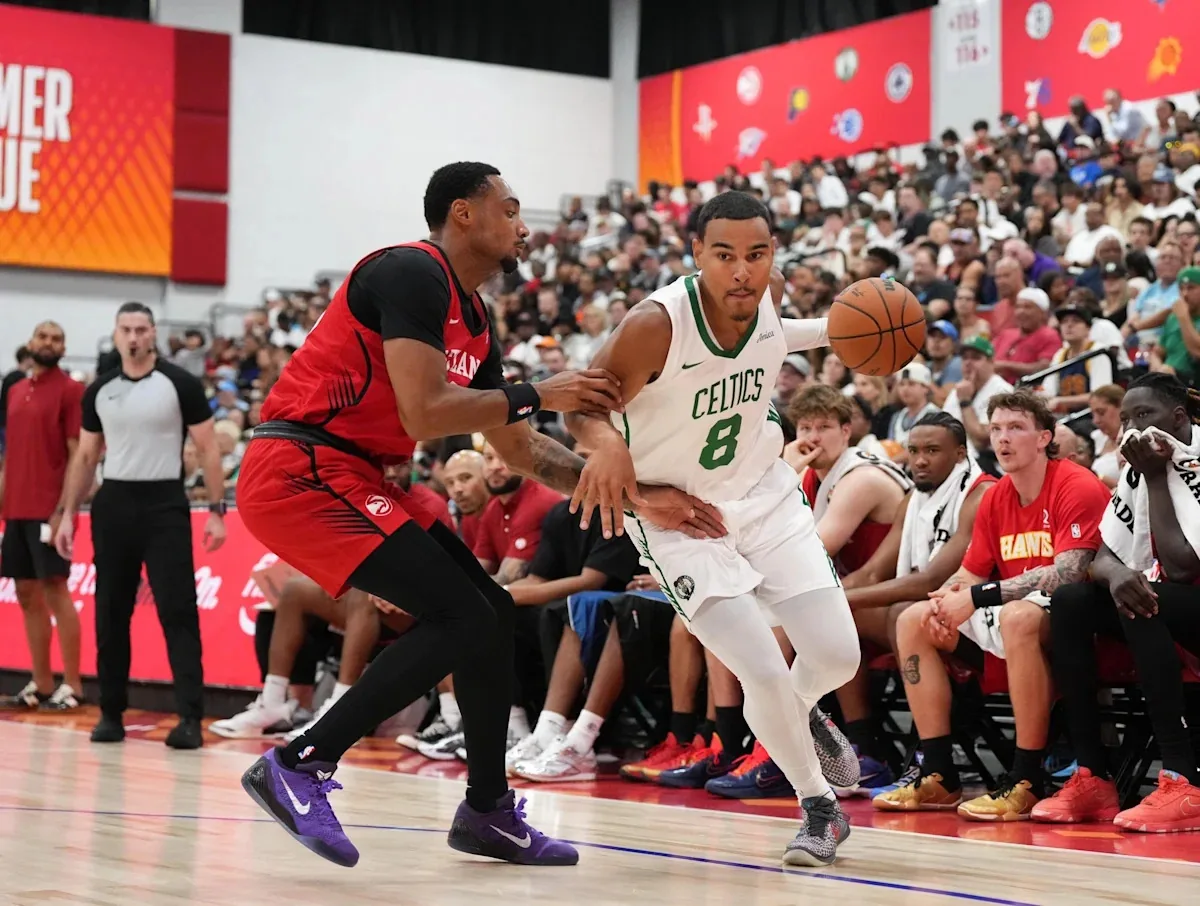
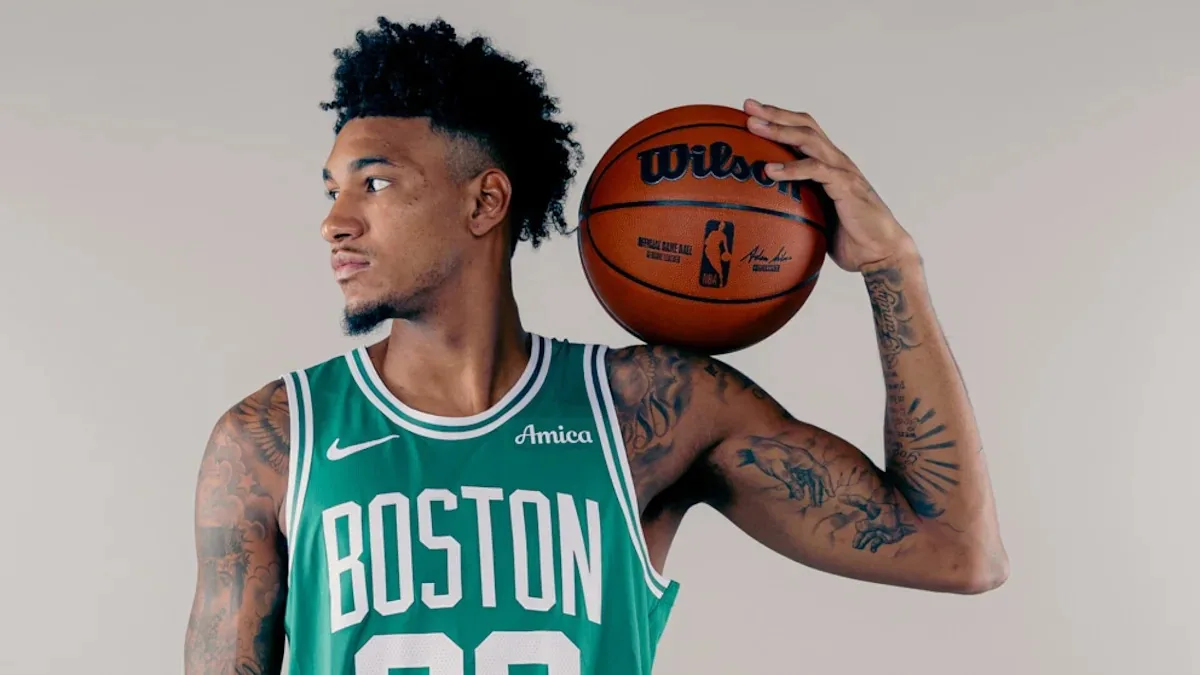
A recent court ruling regarding college athlete eligibility has created a potential exit ramp for unsigned NBA second-round picks. Dillon Mitchell, selected by the Boston Celtics, is now positioned to return to St. John’s for another season of collegiate competition rather than pursuing an immediate professional contract.
The Eligibility Pivot
The ruling alters the landscape for players who have tested the professional waters but remain unsigned. For Mitchell, this provides a rare opportunity to return to the NCAA environment, bypassing the uncertainty of a roster spot in the league. The decision hinges on the interpretation of amateur status and the specific timing of professional draft declarations.
Impact on the Celtics
Boston’s front office must now recalibrate its depth chart. While second-round selections are often viewed as long-term developmental projects, Mitchell’s potential return to St. John’s removes him from the immediate professional pipeline. The team must decide whether to pursue a formal contract to secure his rights or allow the player to leverage the new ruling to return to school.
What to Watch Next
The focus shifts to the formal communication between Mitchell’s camp and the St. John’s coaching staff. Observers should monitor whether the university confirms his enrollment and eligibility status in the coming weeks. If Mitchell opts for a return, it underscores a growing trend where players utilize legal avenues to maximize their collegiate value before committing to the professional grind.
Leverage.