Reporting note: this article draws on The Guardian; PGLive provides the summary and editorial framing.
Tournament Metrics Defy Pre-Competition Skepticism
Despite significant concerns regarding travel restrictions, ticket pricing, and political instability, the 2026 World Cup has emerged as a dominant cultural force in the United States. Data from the Sports Business Journal indicates that the tournament has maintained an average attendance of 64,511 fans per match across the first 78 games, representing a 99.7% occupancy rate. With 6.5 million tickets sold, the event has surpassed the attendance benchmarks set during the 2022 tournament by 10,000 spectators per game.
Broadcast Records and Viewership Trends
Television viewership has consistently shattered historical records for soccer in the US. Nielsen ratings confirmed that the USMNT’s round-of-16 exit against Belgium drew an average of 33 million viewers on Fox, peaking at 41 million during the final 15 minutes. This performance exceeded viewership figures for both the 2025 World Series and the NBA Finals. Furthermore, the England vs. Mexico fixture drew a combined 44.9 million viewers across Fox and Telemundo, underscoring a broad domestic interest that extends beyond the national team.
Tactical Impact and Scoring Efficiency
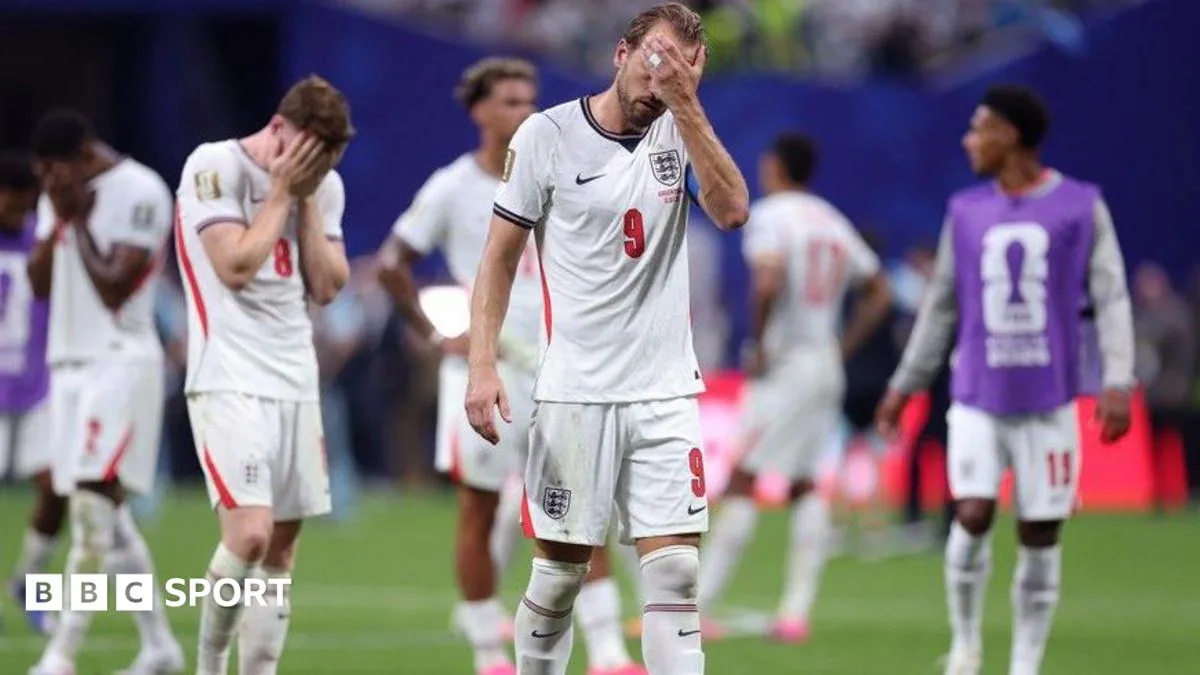
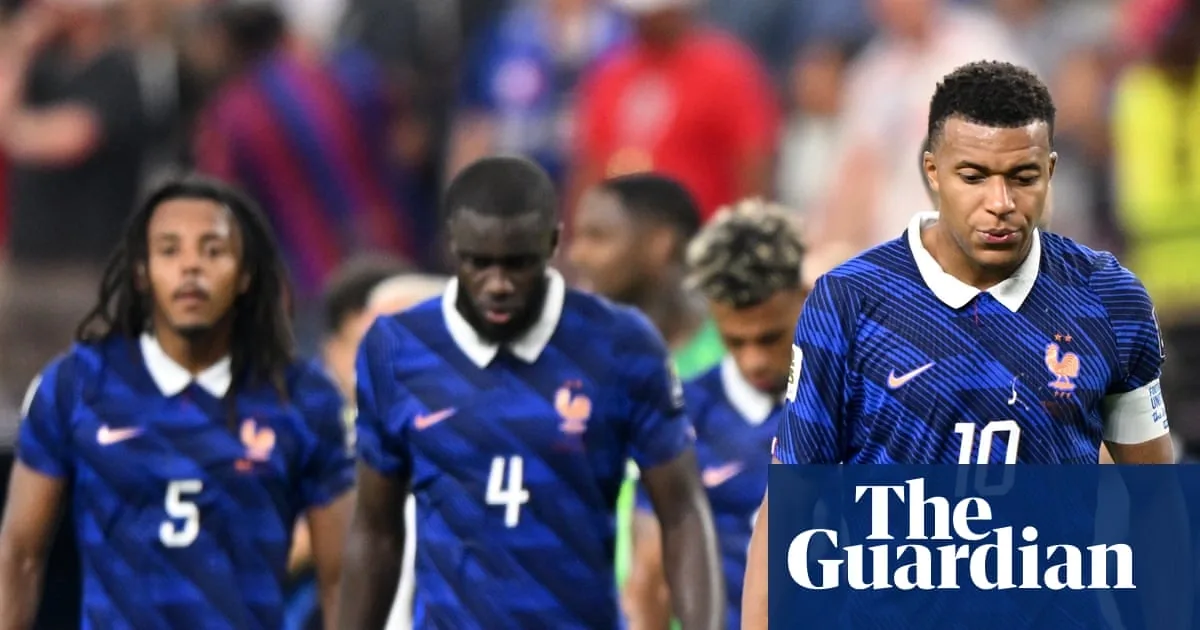
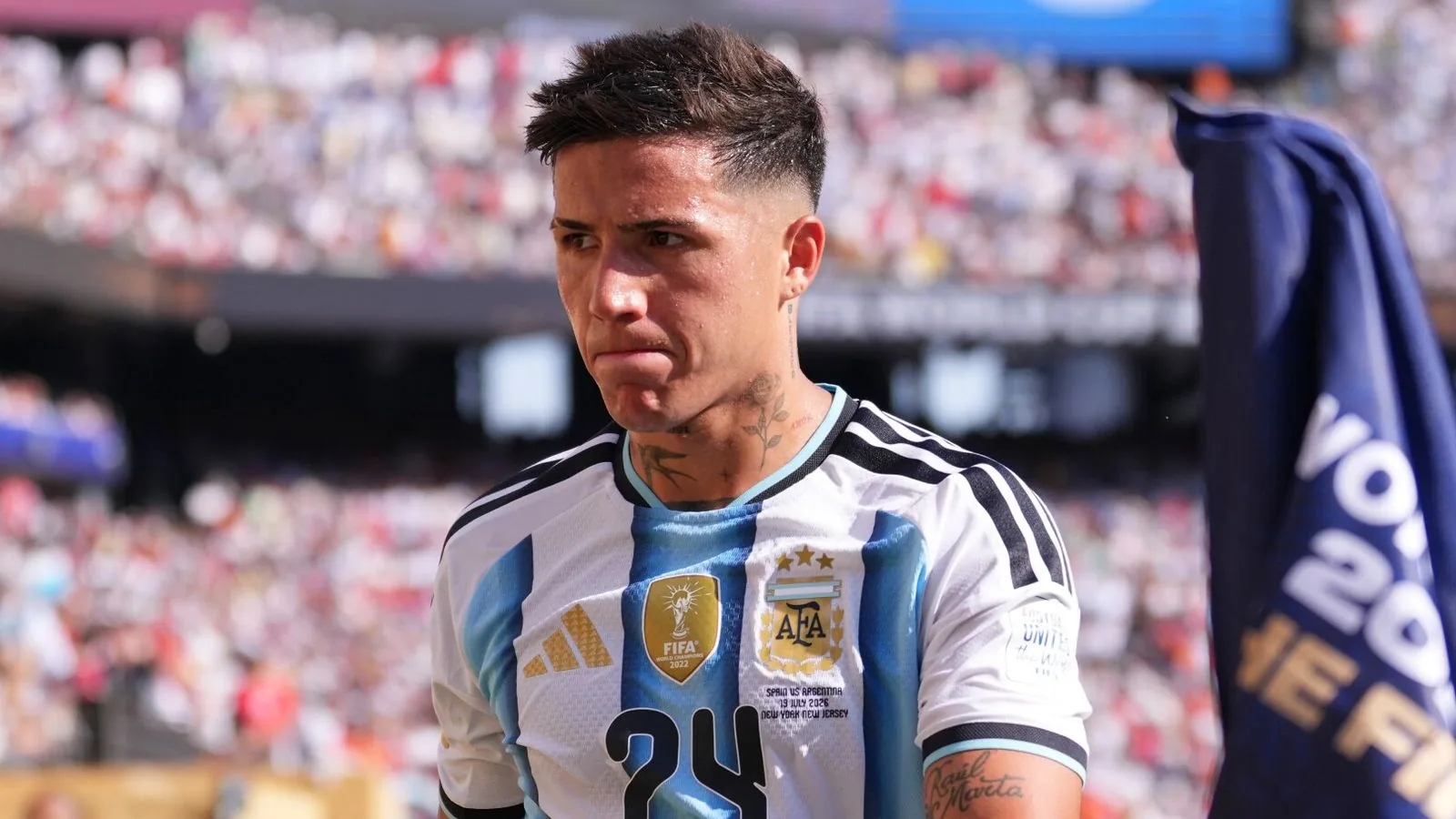
The tournament’s expanded format has facilitated a high-scoring environment, currently averaging three goals per game—the highest rate since 1958. This offensive output has been driven by standout performances from Kylian Mbappé and Lionel Messi, who have each tallied eight goals, alongside Erling Haaland (seven) and Harry Kane (six). The expanded field has also provided a platform for smaller nations; notably, Curaçao secured its first-ever World Cup goal against Germany, and Cape Verde advanced to the knockout stages after a competitive showing against Argentina.
Societal Integration and Fan Engagement
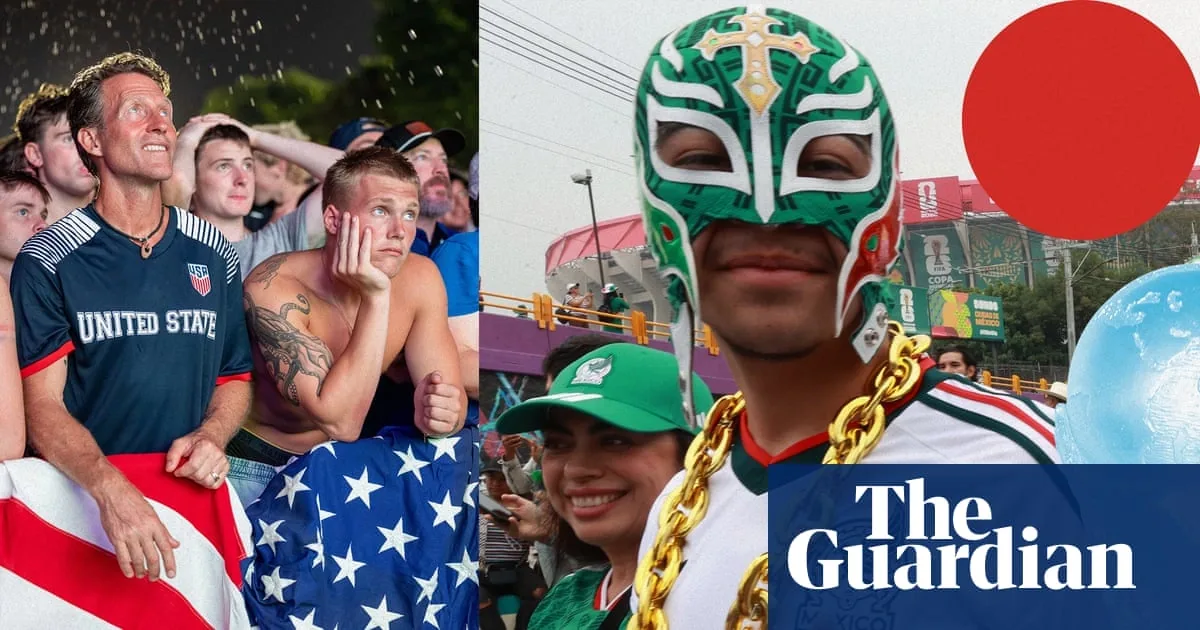
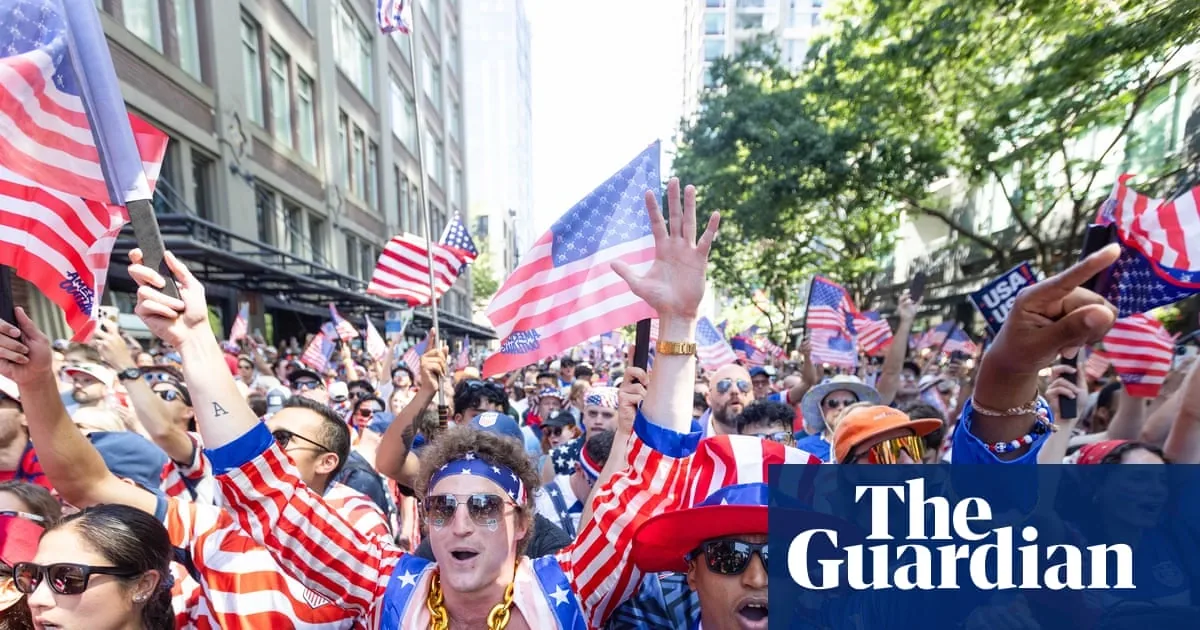
Beyond the pitch, the tournament has functioned as a significant social outlet. Polling from Ipsos Sports reveals that 40% of US adults have actively followed the event via social media, with one-quarter of the population viewing matches in public settings such as bars or restaurants. The tournament’s internationalism has contrasted sharply with the domestic political climate, providing a platform for multicultural engagement that has manifested in viral fan interactions across cities like Boston, Houston, and New York.
The pitch surface remained impeccably firm under the high-intensity press of the knockout stages.